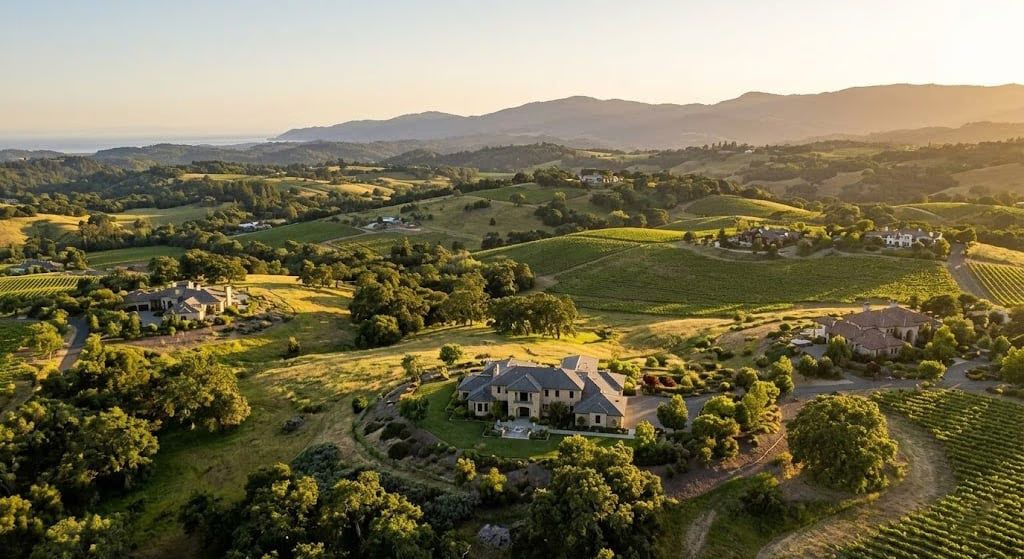
Restaurant and Tasting Room Window Treatments - Viticultural UV and Thermal Management
Restaurants and tasting rooms across Sonoma County wine country face a unique challenge: large glass facades that showcase vineyard views while exposing wine service and guests to damaging UV radiation and solar heat gain. Best Discount Blinds specifies viticultural-grade UV protection with SHGC 0.17 solar shades and premium motorization for commercial environments throughout Windsor, Healdsburg, and Sonoma County.
Why Do Restaurants and Tasting Rooms Need Specialized Window Treatments?
Commercial dining and tasting environments operate under conditions that disqualify standard residential window treatments. UV degradation of wine during service, thermal gain that overwhelms HVAC capacity during peak hours, and large glass expanses in modern tasting room architecture all demand specification-grade solutions engineered for commercial performance.
Modern Sonoma County tasting rooms and restaurants feature floor-to-ceiling glass walls designed to connect guests with vineyard landscapes. These expansive glazing systems expose wine poured for service to UV radiation in the 280 to 400 nanometer range, degrading tannins and aromatic compounds between bottle and glass. During afternoon service from 2 to 5 PM, west-facing glass walls generate solar heat gain that creates uncomfortable hot spots near premium window seating, driving guests away from the tables that define the tasting room experience. Standard residential shades lack the duty-cycle ratings for commercial operation, the SHGC performance for meaningful thermal control, and the architectural hardware quality that restaurant and winery interiors demand.
Recommended Products for Restaurants and Tasting Rooms
Designer Solar Shades - UV Filtration for Tasting Rooms
Solar shades with 1% openness fabric deliver SHGC ratings of 0.17, blocking 99% of UV radiation while preserving the vineyard views that define the tasting room experience. The tight weave filters the full 280 to 400 nanometer UV spectrum that degrades wine during service, protecting the winemaker’s intended expression from bottle to glass. For restaurants with afternoon sun exposure, the 0.17 SHGC rejects 83% of solar heat gain, eliminating the hot spots near window seating that compromise guest comfort during peak service hours.
Skyline® Gliding Panels - Large Glass Walls
Skyline Gliding Panels cover openings up to 192 inches wide, addressing the oversized glass walls in modern tasting room architecture designed to frame vineyard panoramas. The panel-track system slides on a ceiling-mounted rail, stacking compactly when retracted for full-view entertaining and deploying smoothly to manage UV and thermal gain during afternoon tasting hours. Available in UV-filtering solar fabrics with 1% to 3% openness factors, Skyline panels provide the commercial-scale coverage that individual roller shades cannot achieve across continuous glass walls.
Lutron Palladiom Motorization - Scene Control
Palladiom motorized drives enable automated shade transitions between tasting events, wine dinners, and daily service periods without staff intervention. Sub-35 dBA operation ensures motor noise stays below the dining room ambient noise floor, preserving the conversational atmosphere guests expect. Time-clock scheduling through RadioRA 3 automates morning, afternoon, and evening shade positions that track sun angle throughout the day, while scene presets allow one-touch transitions for private events, harvest dinners, and seasonal tasting experiences.
Designer’s Note
Viticultural Stability Through Precision Shading
Tasting rooms at Aperture Cellars and Flowers Wineryexemplify the architectural glass challenges facing Sonoma County’s wine hospitality venues - expansive glazing systems that celebrate vineyard views while creating infrared thermal gain that compromises both wine service integrity and guest comfort during peak afternoon hours.
Infrared thermal gain through unshaded glass walls in tasting rooms reaches 200+ BTU per square foot during summer afternoons, overwhelming HVAC systems and elevating wine service temperatures above the 58–62°F range that preserves aromatic expression in the glass. Solar shades specified at SHGC 0.17 reject 83% of this thermal energy while maintaining the visual connection to the vineyard that defines the tasting room experience. J Geiger architectural hardware delivers the concealed fascia systems and precision-machined aluminum components that architects require for commercial hospitality interiors, with duty-cycle ratings engineered for tens of thousands of operations under daily commercial use. Discount Best Blinds and Shutters specifies J Geiger paired with Lutron Palladiom drives for every commercial tasting room installation because the combination delivers specification-grade UV and thermal performance with the architectural refinement that Sonoma County’s premier wine hospitality venues demand.
Restaurant and Tasting Room Performance Specifications
| Feature | Value | Notes |
|---|---|---|
| UV Rejection | 99%+ (280–400nm spectrum) | Protects wine service quality and guest comfort |
| SHGC | 0.17 | Solar heat gain coefficient for thermal comfort |
| Openness Factor | 1–3% | View preservation with maximum UV filtration |
| Motor Noise | Sub-35 dBA | Palladiom operation below dining ambient noise |
| Max Width | Up to 192″ | Skyline panels for tasting room glass walls |
| Hardware | J Geiger · Lutron | Architectural-grade commercial mounting |
Restaurant and Tasting Room Questions Answered
How does UV exposure affect wine service quality in tasting rooms?
UV radiation in the 280 to 400 nanometer spectrum degrades tannins, anthocyanins, and aromatic compounds in wine within minutes of direct exposure during service. In tasting rooms with floor-to-ceiling glass, wine poured into glasses receives concentrated UV energy that accelerates oxidation and alters the flavor profile guests experience. Solar shades with 1% openness fabric block 99% or more of UV radiation across the full harmful spectrum, preserving the winemaker’s intended expression from bottle to glass. Discount Best Blinds and Shutters specifies UV-filtering solar shades for every tasting room installation in Sonoma County, ensuring that wine service quality remains consistent regardless of sun angle or time of day throughout the tasting experience.
What SHGC rating do restaurants need for guest thermal comfort?
Solar Heat Gain Coefficient (SHGC) measures how much solar thermal energy passes through a window treatment, with lower values indicating greater heat rejection. Restaurants and tasting rooms with large glass facades require SHGC ratings of 0.17 or lower to maintain comfortable dining temperatures without overburdening HVAC systems. At SHGC 0.17, solar shades reject 83% of solar heat gain, preventing the hot spots near windows that drive guests away from premium seating areas during afternoon service. This thermal performance is especially critical in Sonoma County tasting rooms where west-facing glass walls capture intense afternoon sun during peak visiting hours from 2 to 5 PM.
Can motorized shades integrate with restaurant lighting and POS systems?
Yes. RadioRA 3 and Palladiom motorized shades integrate natively with commercial lighting control systems, allowing shade positions to be tied to lighting scenes that shift throughout the day. A morning scene can position shades to admit filtered daylight during brunch service, while an evening scene lowers shades and transitions to warm artificial lighting for dinner. Integration with time-clock scheduling automates these transitions without staff intervention. Palladiom drives operate at sub-35 dBA, below the ambient noise floor of a dining room, ensuring motor operation never disrupts guest conversation. Savant and Crestron integration extends this control to audio, HVAC, and AV systems for winery event spaces that host both tastings and private dinners.
Why specify J Geiger architectural hardware for commercial restaurant environments?
J Geiger shade systems are engineered for commercial and hospitality environments where standard residential hardware fails to meet the demands of daily high-traffic operation and architectural aesthetic standards. J Geiger’s precision-machined aluminum components, concealed fascia systems, and motorized pocket headrails deliver the clean sight lines that architects specify for upscale restaurant and tasting room interiors. The hardware is rated for tens of thousands of duty cycles, far exceeding residential-grade components that wear prematurely under commercial use patterns. Discount Best Blinds and Shutters installs J Geiger systems in Sonoma County restaurants and tasting rooms where the window treatment must perform as both a functional UV and thermal management system and a seamless architectural element.
Related Products and Solutions
Elevate Your Tasting Room and Dining Experience
Book a free commercial consultation and Phil will assess your tasting room UV exposure, thermal gain patterns, and architectural hardware requirements with specification-grade fabric samples. We serve Windsor, Healdsburg, Santa Rosa, and all of Sonoma County.