Light, Sleep & Wellbeing
Circadian Wellness
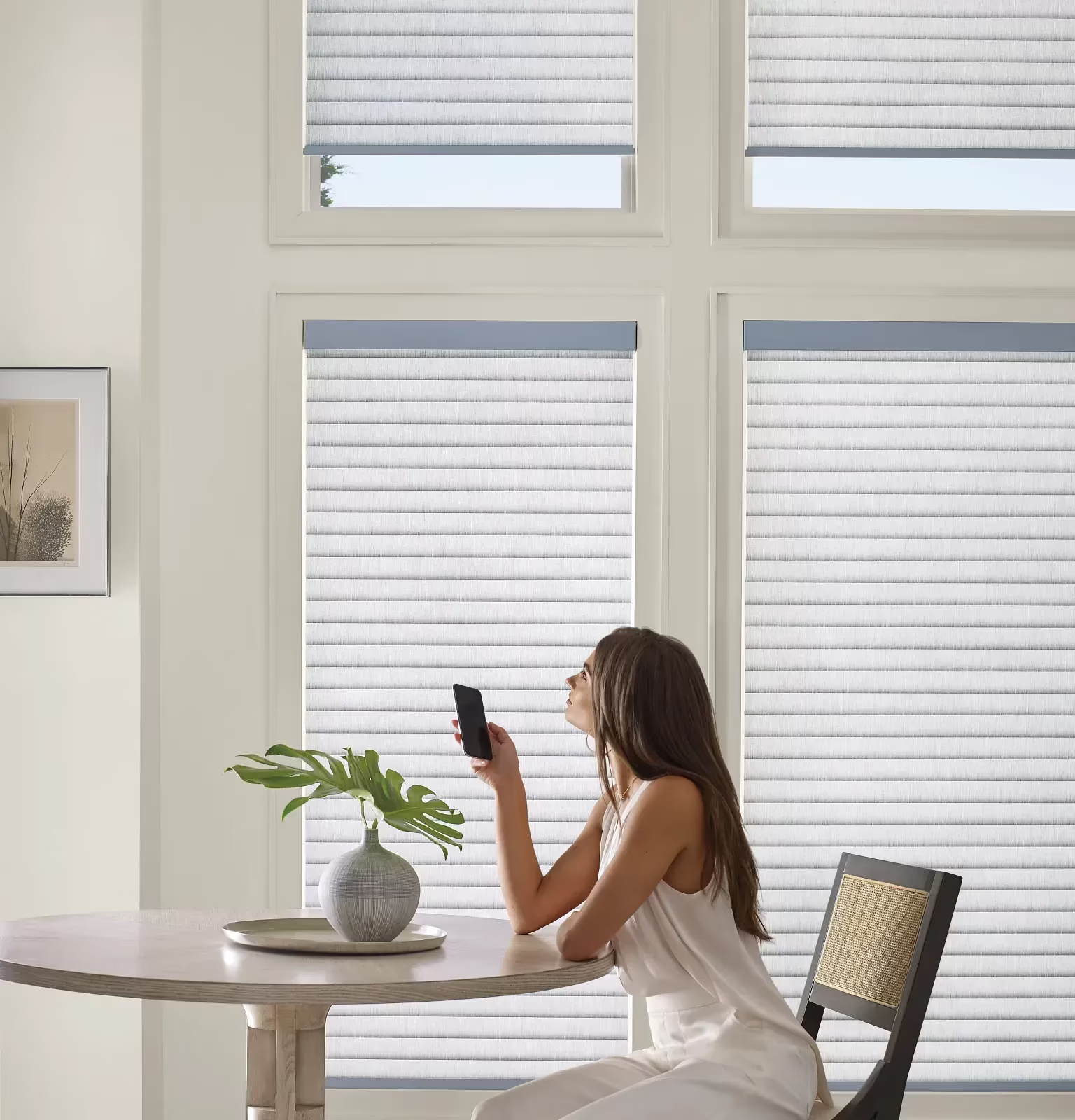
Motorized shades can follow a daily schedule so rooms receive different amounts of natural light without constant manual adjustment. A bedroom can stay darker until wake time, a home office can reduce afternoon glare, and living-area shades can close around sunset for privacy.
Discount Best Blinds and Shutters programs compatible PowerView® shades around the homeowner’s preferred schedule and room use.
Get a Free Quote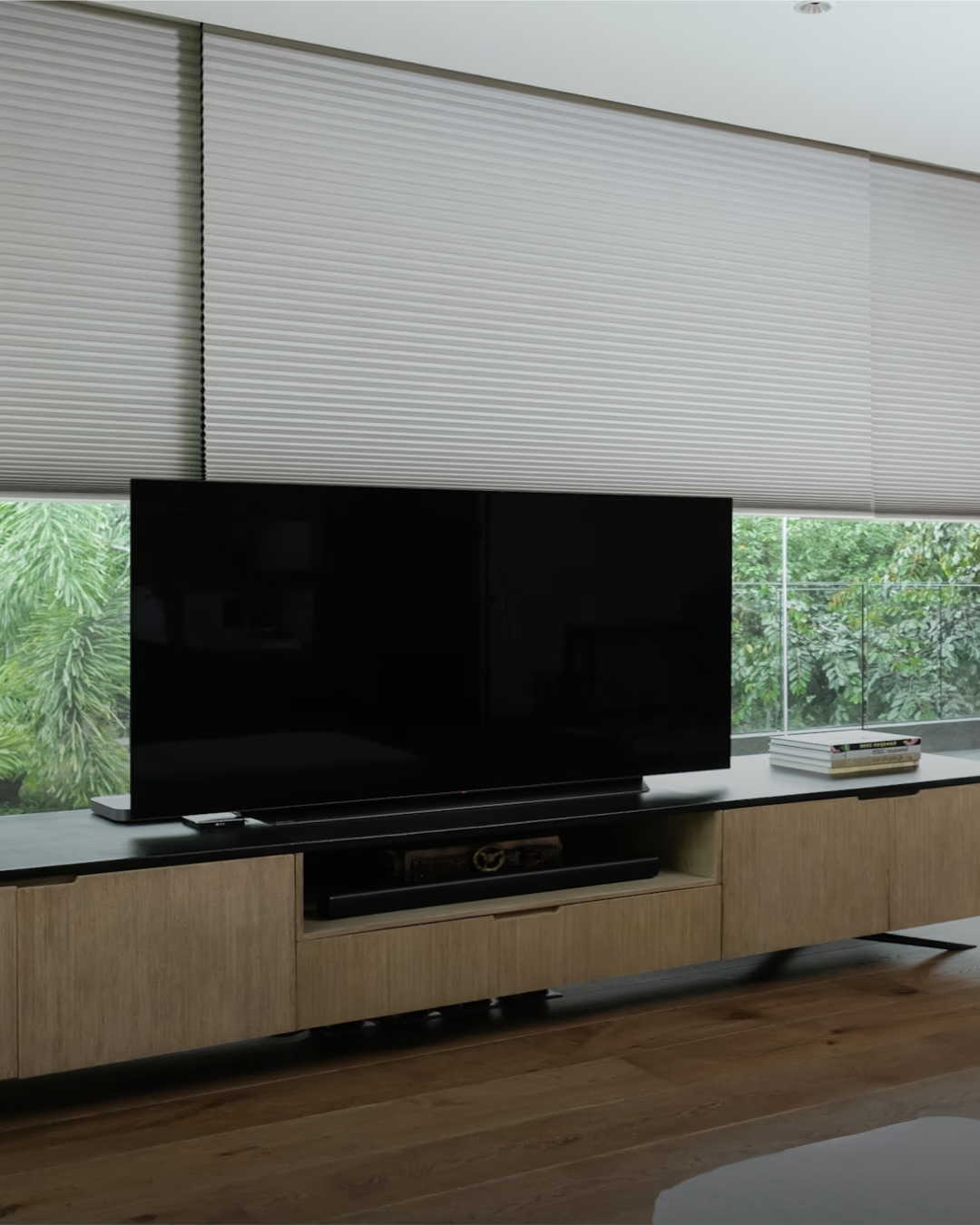
Circadian light timed to your body clock, room by room
Automated shades provide a practical way to make those transitions consistently. Any broader health claim about circadian rhythms, melatonin or medical outcomes should be left to qualified health and lighting professionals and supported by appropriate research rather than presented as a guaranteed benefit of a shade.
A useful setup is usually simple: a morning position, an afternoon glare-control position where needed and an evening privacy position. We avoid creating complicated scenes that the homeowner will never maintain.
We program these rooms independently rather than imposing the same schedule on the whole house. Fabric opacity still matters: automation cannot turn a sheer fabric into blackout or make an opaque shade preserve a view.
We handle the window-treatment side and avoid presenting integrated lighting as a medical therapy. The goal is a comfortable, predictable light environment that matches how the homeowner wants to use the space.
Design a wellness routineHow we deliver it
What this solution includes
Why the Timing of Light Matters to a Daily Routine
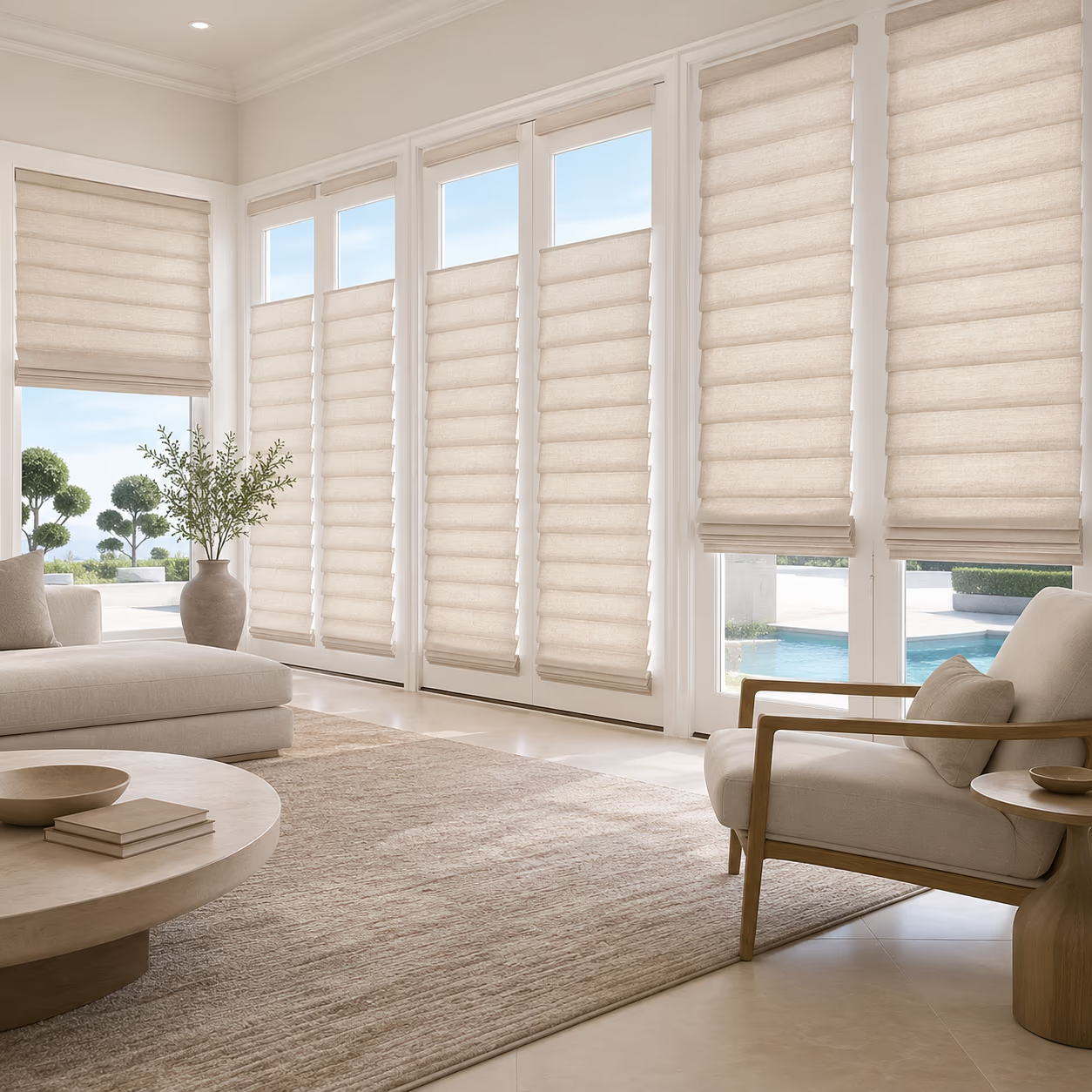
Natural light changes dramatically from morning to evening, and people often prefer different conditions at different times of day. Bright morning daylight may be welcome in a kitchen but disruptive in a bedroom. Strong afternoon sun can make an office uncomfortable, while evening privacy may require the opposite shade position.
Use Sunrise, Sunset and Time-Based Scenes as Starting Points
Compatible automation can schedule shades by clock time or changing sunrise and sunset conditions. That removes the need to reprogram the system every few weeks as daylight shifts. Homeowners can still override the schedule whenever they want a different room condition.
Program Each Room for the Way It Is Actually Used
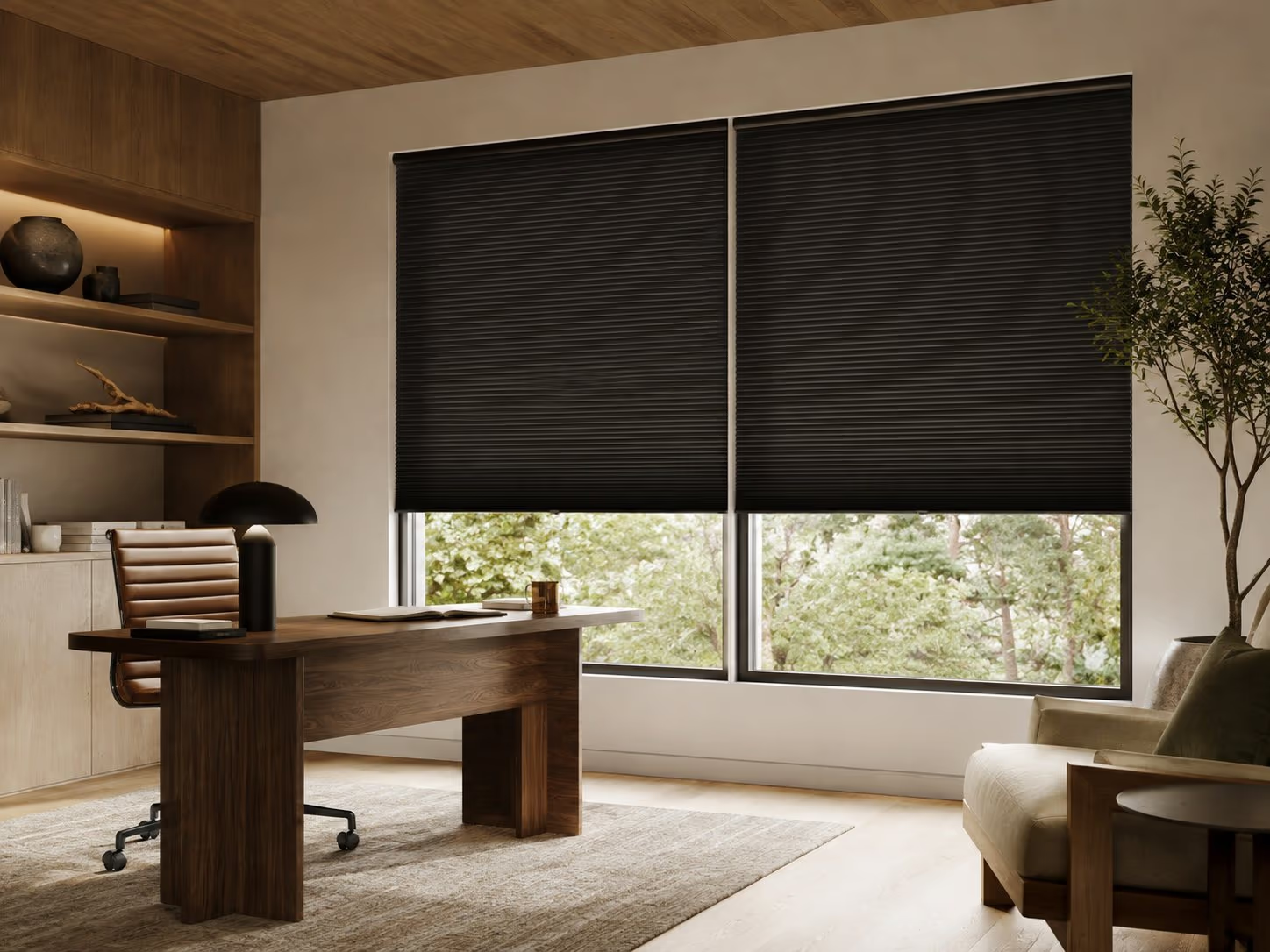
Bedrooms may prioritize darkness and a gradual morning opening. Home offices may need glare control only during certain hours. Kitchens and living rooms may stay open most of the day and close automatically near sunset. Nurseries can have separate nap-time routines.
Coordinate Shades With Lighting When the Home Already Uses Automation
If the home has compatible tunable lighting or a whole-home control system, shade scenes can be coordinated with lighting scenes so the room changes as one system. That can simplify routines, but it adds another layer of design and programming that should be coordinated with the lighting or automation professional.
The details
- Scene Types
- Wake · Midday · Wind-Down · Sleep
- Sun Tracking
- GPS-based, auto seasonal adjustment
- Automation
- PowerView Gen 3
Recommended products
Products that deliver this
FAQ
Frequently Asked Questions
They can make the room darker or brighter at consistent times, which some homeowners find helpful for their routine. A shade is not a treatment for sleep disorders and should not be presented as guaranteeing better sleep. For persistent sleep concerns, medical advice belongs with a qualified health professional.
Compatible systems can adjust schedules as local sunrise and sunset times change through the year. You can usually add an offset or use a fixed time instead. We set the schedule around the homeowner’s preferred wake, work and privacy routine rather than assuming the astronomical event itself is always the right trigger.
Use the fabric that creates the room condition you need. Bedrooms may call for room-darkening or blackout-rated products, while living areas can use light-filtering or sheer fabrics. Scheduling changes position; it does not change the fundamental opacity of the fabric.
Yes, when the shade and lighting systems share a compatible control platform or are integrated through a whole-home system. The lighting professional should handle fixture selection and biological-lighting claims; we coordinate the shade positions and supported control integration.