Roller & Solar Shades
Designer Roller & Solar Shades
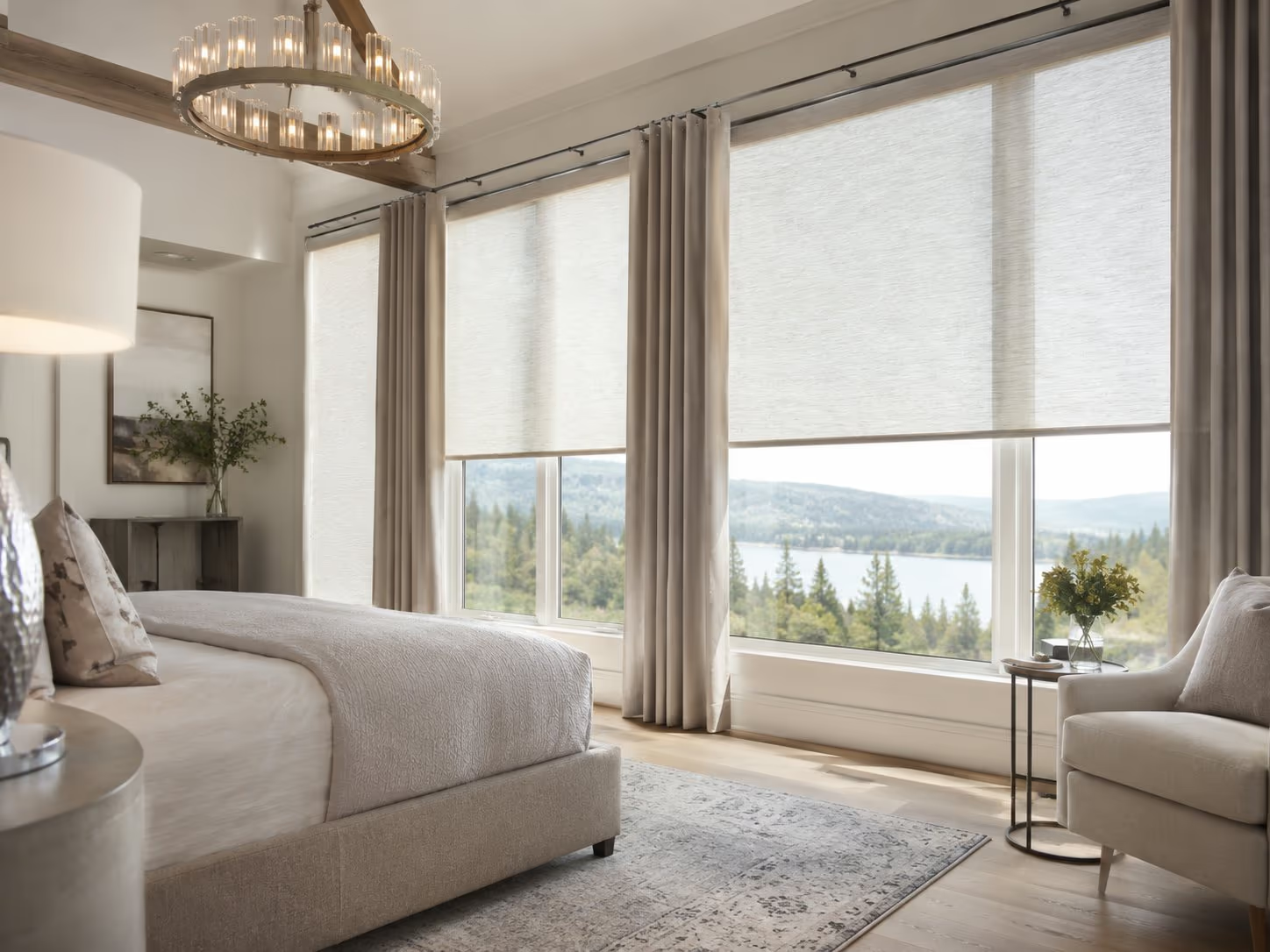
Roller shades keep the window visually simple, but the category covers three products with different jobs: decorative rollers for fabric, privacy and clean lines, solar shades for glare with a daytime view, and banded shades that shift between sheer and private without uncovering the window.
Discount Best Blinds and Shutters helps Santa Rosa and Sonoma County homeowners compare those options in the room where the shade will be used. We bring fabrics to the window, explain how opacity or openness changes performance, measure the mounting style you choose and handle professional installation.
Get a Free Quote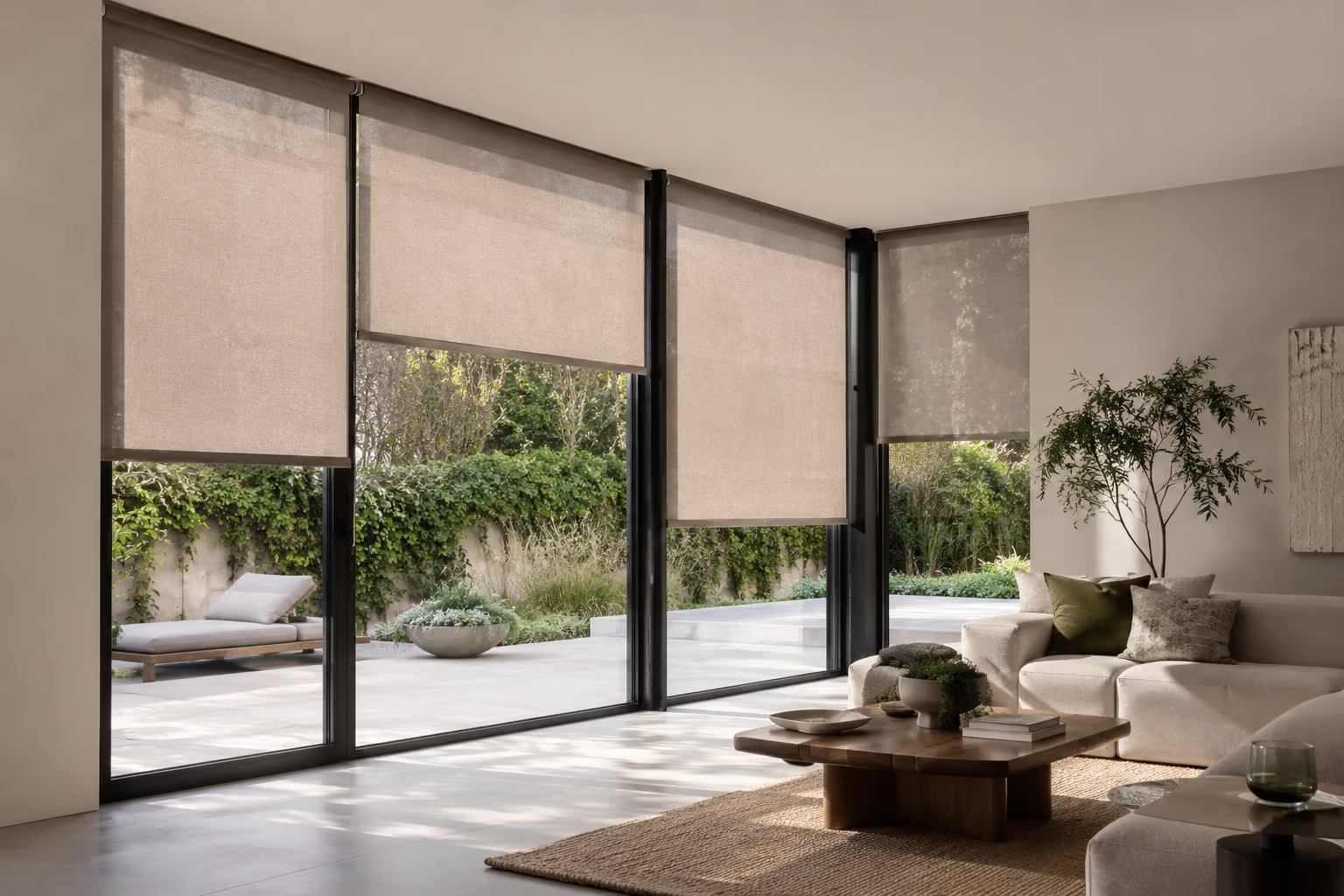
Designer Roller & Solar Shades for Sonoma County Homes
Start with the room rather than the product name. If you want a clean fabric panel with a broad choice of color and texture, a Designer Roller Shade is the simplest place to start. If a west-facing window throws glare or heat and you want to keep the daytime view, compare solar fabrics. If you would rather the shade stay visually present while moving between sheer and private positions, look at a banded shade. Two fabrics can look nearly identical in a small sample and behave completely differently on a large sunny opening, which is why we compare them at the actual window.
Solar shades use an open-weave fabric that filters strong sunlight instead of blocking the window with an opaque panel, which suits living rooms, home offices and large-glass spaces where glare is the problem but you still want to see out during the day. Openness is the decision that matters: a tighter weave gives stronger glare reduction and more daytime screening, a more open weave keeps a clearer view and lets more light through. They should not be treated as nighttime privacy, because once the room is brighter than the exterior the visibility reverses.
[Banded shades](/products/designer-banded-shades) alternate horizontal sections of sheer and more opaque material, and moving the fabric changes how those sections overlap, so the shade travels from a lighter, more open position to greater privacy without rolling out of the way. The striped rhythm is more pronounced than a plain roller, so it works best where that horizontal pattern suits the room. Ask to see a larger sample: the banding can feel very different across a wide opening than it does on a swatch.
Get a Free QuoteFAQ
Frequently Asked Questions
Both use a rolling fabric panel, but the fabric is built for a different purpose. Decorative roller shades emphasize color, texture, opacity and privacy. Solar fabrics use an open weave to cut glare and strong sunlight while keeping some outward visibility.
Yes. Solar fabrics reduce the UV and visible light reaching floors, furniture and artwork, and the level of protection depends on the specific fabric and its openness. We quote a percentage only against current manufacturer performance data for the fabric you choose.
Banded shades use alternating sheer and more opaque fabric sections. Adjusting the shade changes how those bands line up, so you get more filtered light in one position and more screening in another while the window stays covered.
Many Hunter Douglas roller-style products are compatible with PowerView automation. It depends on the exact product, width, fabric and hardware, so we confirm the operating system against the final configuration before ordering.